
Fire safety is a legal responsibility and an essential part of protecting lives, property, and businesses. Whether you own a residential property, manage an HMO, operate a commercial building, or oversee rental properties, obtaining a Fire Safety Certificate helps demonstrate that your fire alarm system has been professionally inspected and meets required safety standards.
A properly maintained system provides early warning during an emergency, allowing occupants to evacuate safely while reducing property damage risk. However, installing an alarm alone is not enough. Regular inspections, testing, and certification are equally vital for maintaining full compliance with current UK fire safety rules.
This fire safety guide explains everything you need to know about getting a Fire Safety Certificate, why a fire risk assessment is crucial, how certification works, key fire safety regulations, and factors affecting fire safety certificate cost.
What Is a Fire Safety Certificate?
A Fire Safety Certificate is an official document issued after a qualified engineer has inspected and tested your fire alarm system. It confirms that the system has been thoroughly checked for proper operation and complies with relevant British Standards and fire safety regulations.
A valid Fire Safety Certificate proves that essential system components have been professionally evaluated, including:
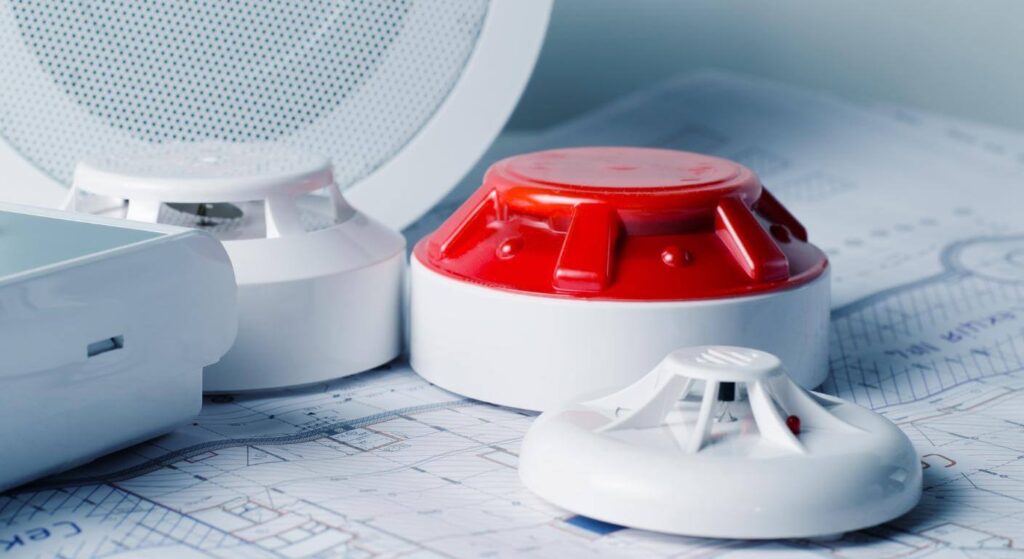
Smoke detectors and heat detectors
Fire alarm control panels
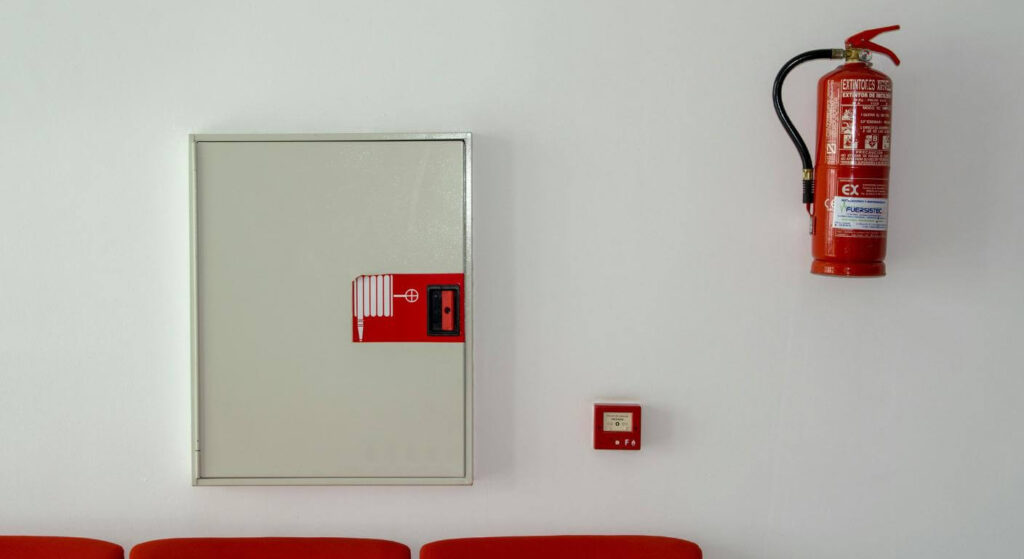
Manual call points and alarm sounders
Backup batteries and main power supplies
Emergency warning functions
For landlords, property managers, and business owners, holding a Fire Safety Certificate offers documented proof that reasonable measures have been taken to maintain safe premises.
Why Is a Fire Safety Certification Important?
Fire can spread rapidly, leaving very little time to evacuate. A certified fire detection system is your first line of defense against injury and property loss.
Key benefits of obtaining a Fire Safety & Alarm Certificate include:
Protects Lives: Early detection gives occupants vital time to escape safely.
Supports Legal Compliance: Helps meet mandatory requirements under UK fire safety legislation.
Assists Insurance Claims: Insurance providers often require evidence of fire safety maintenance before processing claims.
Maintains Property Value: Tenants and buyers feel confident when proper fire certificate records are presented.
Reduces Operational Risk: Regular servicing prevents minor faults from becoming major hazards.
Who Needs a Certificate Of Fire Safety?
While exact requirements vary by building type, acquiring a Fire Safety Certification is highly recommended across all sectors governed by UK fire safety laws:
Rental properties and Houses in Multiple Occupation (HMOs)
Residential apartment complexes
Commercial offices and retail shops
Restaurants, hotels, and leisure facilities
Warehouses, industrial sites, and healthcare facilities
Landlords and business owners hold a strict duty of care under current fire safety regulations to keep systems operational at all times.
Fire Safety Regulations Every Property Owner Should Know
Current fire safety regulations across the UK require the designated “Responsible Person” to implement sufficient fire safety measures. Key legal duties include:
Carrying out a comprehensive fire risk assessment
Maintaining all fire detection equipment and keeping a valid Certificate of Fire Safety
Keeping designated escape routes and emergency exits clear
Testing emergency lighting and maintaining fire extinguishers
Providing staff training and keeping up-to-date fire safety guide procedures
Non-compliance with fire safety regulations can result in formal enforcement notices, heavy fines, or legal prosecution.
Fire Risk Assessment vs Fire Safety Certificate
It is common to confuse a fire certificate, a Fire Safety Certificate, and a fire risk assessment certificate. Here is how they differ:
Fire Risk Assessment: A full evaluation of the building to identify potential hazards, evacuation routes, and overall risks. Upon completion, a fire risk assessment certificate (or assessment report) is issued outlining mandatory safety recommendations.
Fire Safety Certificate: A specific technical document confirming that the fire alarm system itself has been inspected, tested, and passed safety standards.
Combining a fire risk assessment certificate with an updated Fire Certificate ensures your property is fully compliant on all fronts.
What Affects Fire Safety Certificate Cost?
Understanding fire safety certificate cost helps property owners budget effectively for annual compliance. Key factors influencing safety certificate cost include:
Property Size & Complexity: Larger buildings require more inspection time.
Number of Components: The total number of smoke detectors, call points, and alarm panels being tested.
Property Type: HMOs and commercial properties often have stricter requirements than single residential units.
System Condition: Outdated or poorly maintained systems may require repairs before a Certificate of Fire Safety can be issued.
While fire safety certificate cost varies, investing in professional inspections prevents expensive legal penalties and ensures maximum protection.
Summary
A Fire Safety Certificate is far more than a routine requirement—it is a vital safeguard for lives and property. By following a clear fire safety guide, completing a thorough fire risk assessment, holding a valid fire risk assessment certificate, and keeping your Fire Safety Certification up to date, you maintain complete peace of mind and total compliance with all UK fire safety regulations.
Ready to secure your property’s fire safety compliance?
Don’t wait until an inspection or emergency occurs to verify your system’s performance. Book online.
Related Services
You can read more about the EICR Certificate.